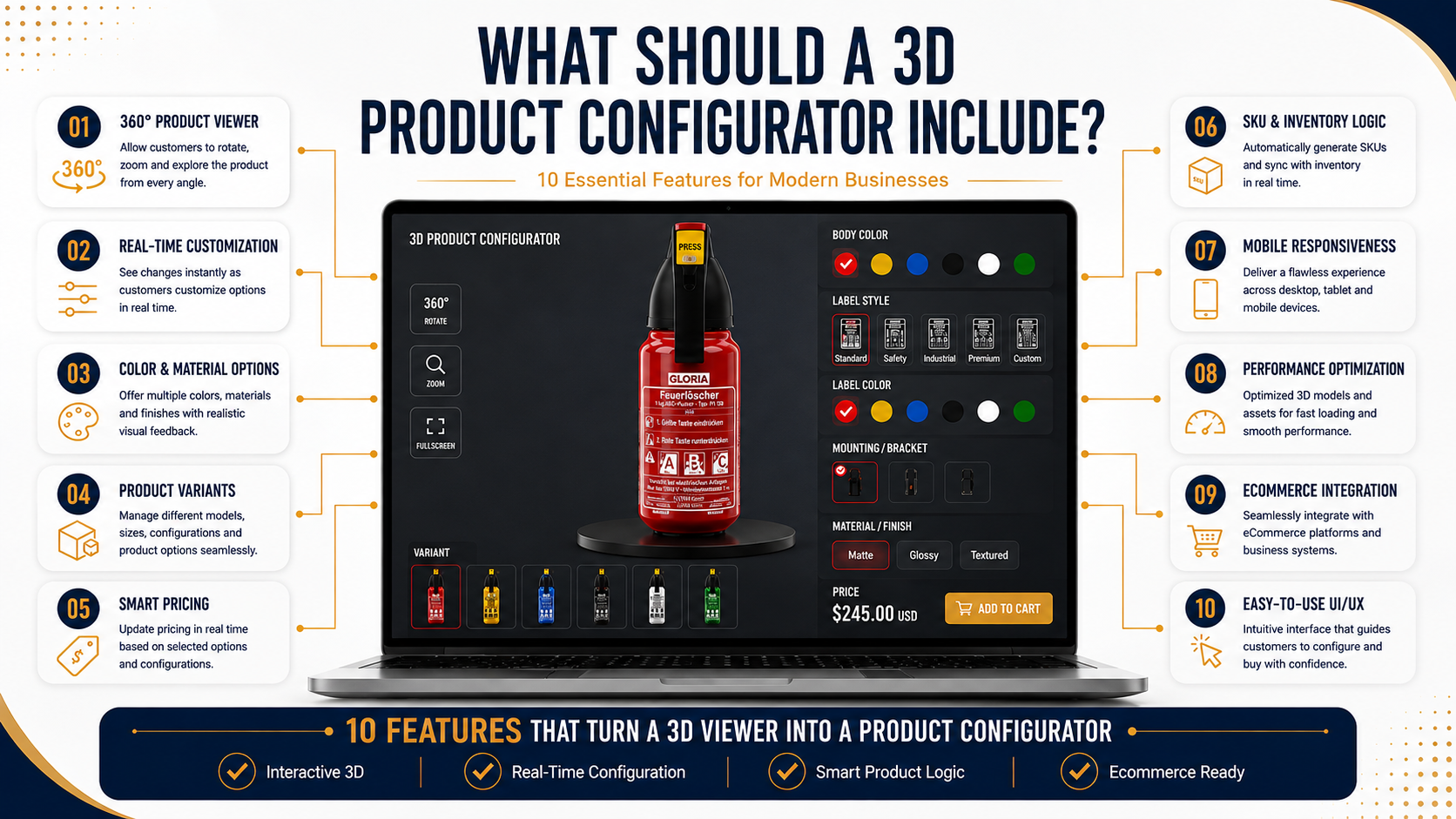
Not all 3D configurators are built equal. Here are the 10 essential features every modern product configurator needs to actually drive sales, reduce returns, and keep customers engaged.
Read on LinkedIn →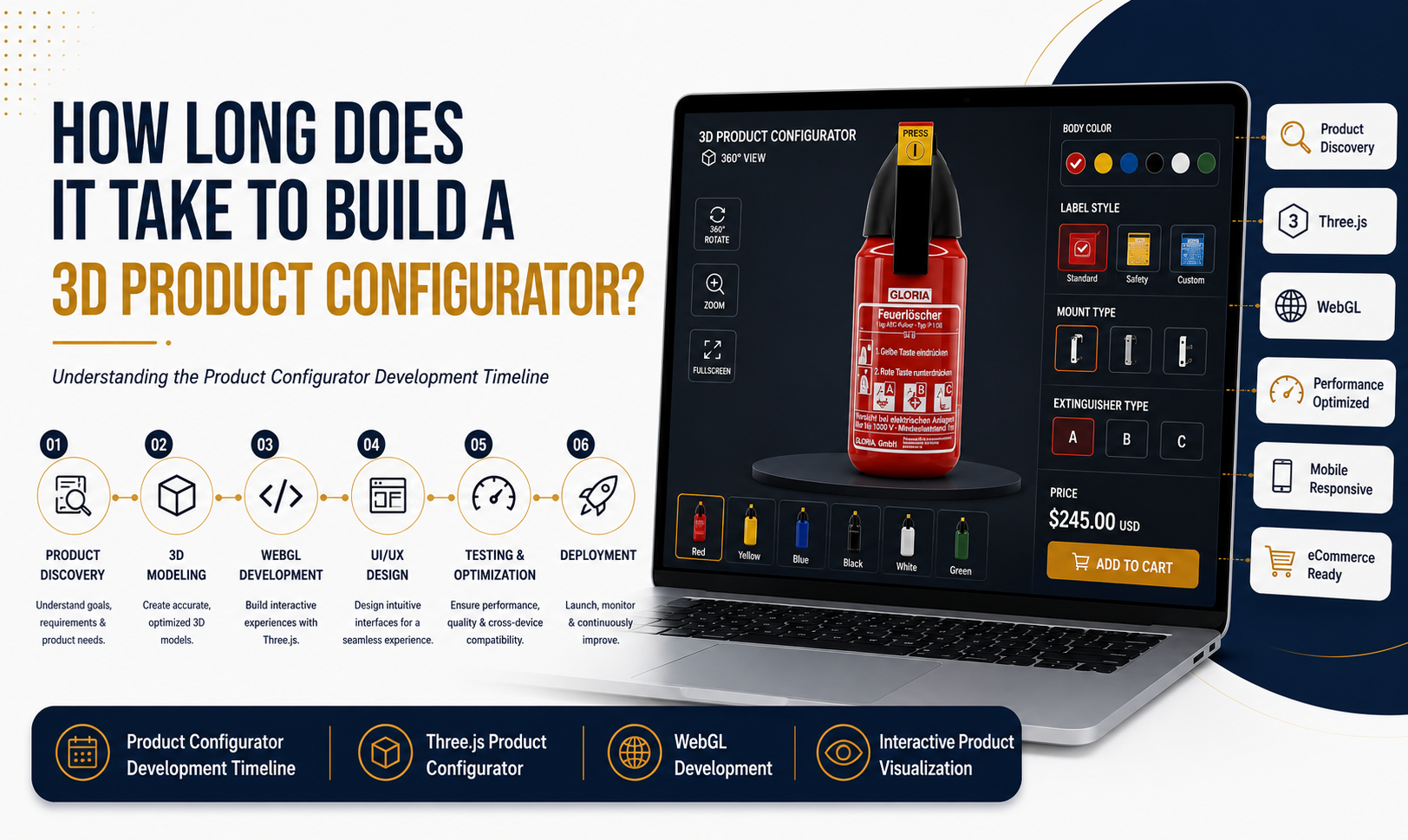
Timeline depends on complexity, asset quality, and integration requirements. We break down exactly how long each stage takes — from scoping to launch — so you can plan your project with confidence.
Read on LinkedIn →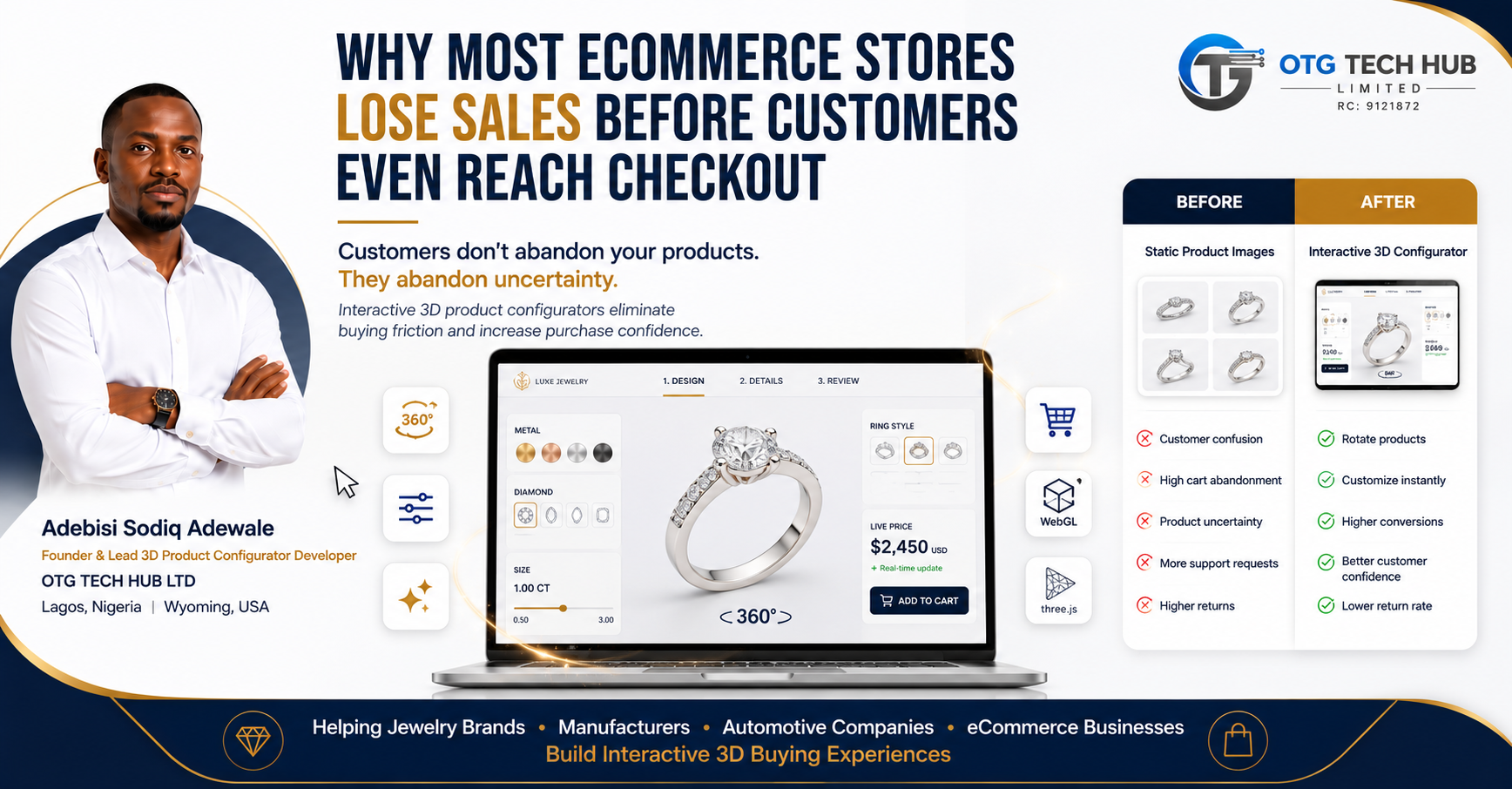
Most eCommerce brands focus on checkout optimisation — but the real sales problem happens much earlier. Here's what's quietly killing conversions before customers even get that far.
Read on LinkedIn →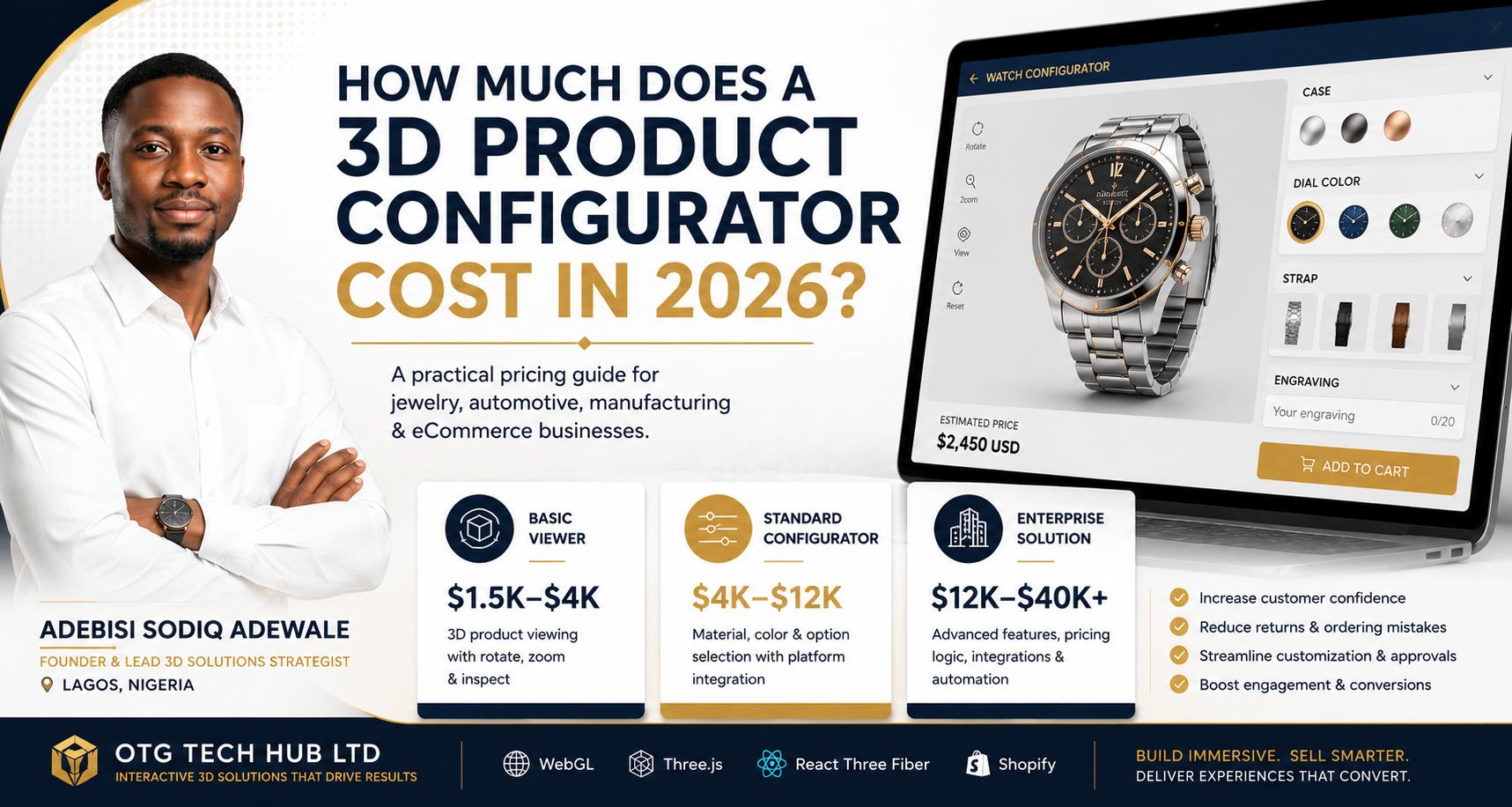
Pricing for a 3D configurator depends on complexity, platform integration, and scope. We break down what really drives the cost — and how to budget for one in 2026.
Read on LinkedIn →
Finding the right developer for your 3D configurator project in Nigeria takes more than a quick search. Here's what to look for, what to ask, and red flags to avoid.
Read on LinkedIn →Returns are the silent killer of e-commerce margins. We break down the psychology behind why interactive 3D experiences give customers the confidence to keep what they buy.
Read more →Both can power a browser-based 3D configurator — but they serve very different needs. Here's how to choose based on complexity, load time, and team capability.
Read more →The biggest barrier to buying furniture online is not price — it's uncertainty about fit and scale. AR product viewers are solving that, and the numbers are compelling.
Read more →Physically Based Rendering is what separates a configurator that converts from one that just looks "pretty." A deep-dive into how we approach material quality.
Read more →A technical walkthrough of how we wire up a Three.js configurator to Shopify's Storefront API — including variant sync, cart events, and performance tuning.
Read more →How do you build a business case for interactive 3D? We share the metrics framework we use with clients to model expected return before a single line of code is written.
Read more →